
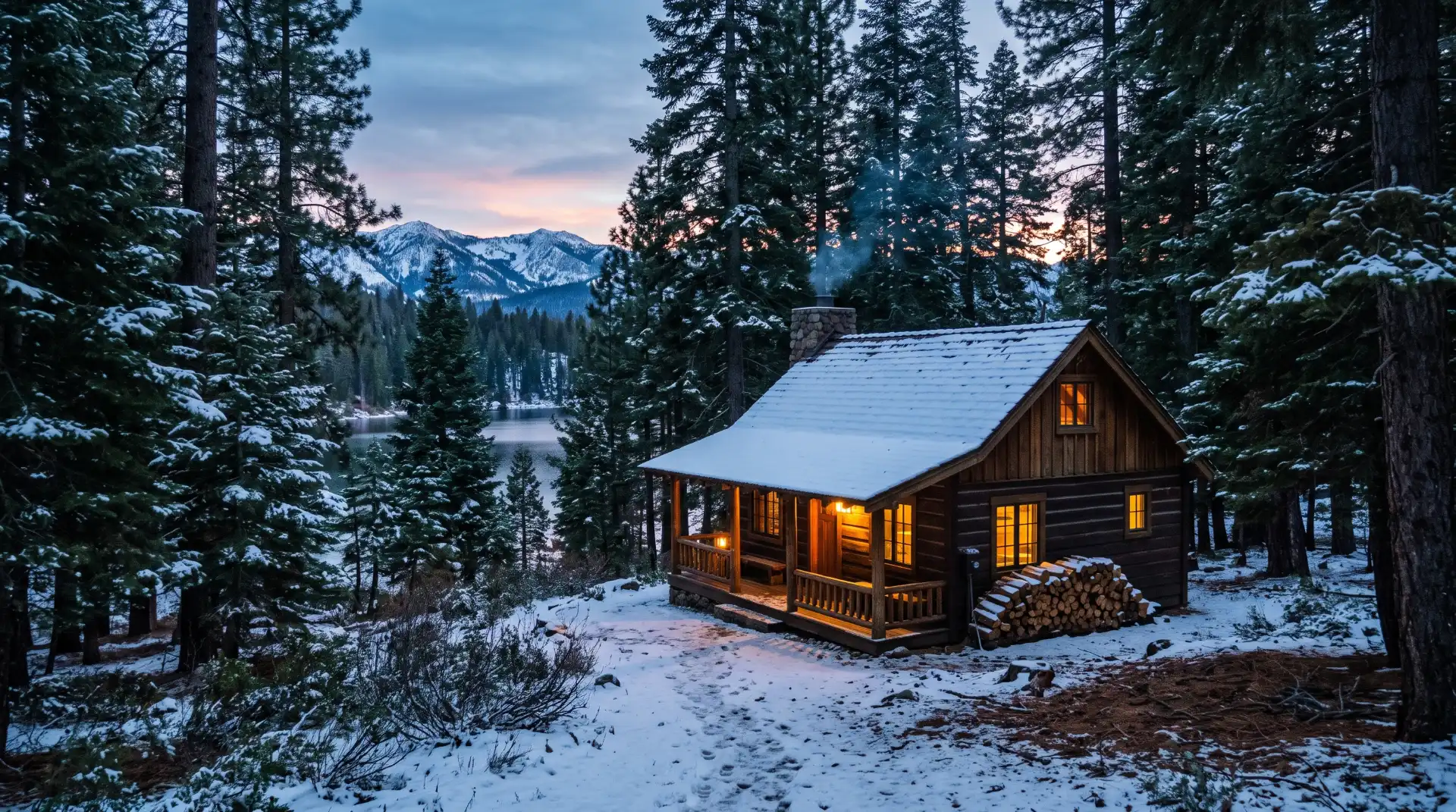
Winter brings a different kind of beauty to Madera County, California. The region’s pine-covered mountains, quiet lake communities, small-town holiday celebrations, and convenient access to Yosemite National Park make it an appealing destination for travelers seeking a seasonal getaway. Whether you are planning a romantic cabin weekend, a family holiday vacation, or a scenic road trip through the Sierra Nevada foothills, Madera County offers opportunities to enjoy winter without spending every day in a crowded ski resort.
Located between California’s agricultural Central Valley and the Sierra Nevada mountains, Madera County offers a variety of winter experiences. Visitors can explore the communities of Oakhurst, Coarsegold, Fish Camp, and North Fork, enjoy the peaceful surroundings of Bass Lake, or use the county’s southern mountain communities as a base for visiting Yosemite National Park. Travelers can also discover local restaurants, historic attractions, wineries, and seasonal celebrations that bring communities together during the holiday season.
The best winter itinerary depends on the weather, road conditions, lodging availability, and the activities you want to enjoy. Some visitors prefer snowy mountain scenery, while others want mild-weather sightseeing, small-town events, and comfortable evenings beside a fireplace. With thoughtful planning, it is possible to combine several of these experiences into one memorable trip.
This guide explains how to plan a winter visit to Madera County, where to find seasonal experiences, what to know before driving into the mountains, and how to make the most of a Yosemite day trip.
Why Visit Madera County During Winter?
Madera County’s greatest winter advantage is its variety of landscapes. The western part of the county includes agricultural communities and lower-elevation destinations, while the eastern foothills rise toward forested mountain country and Yosemite’s southern entrance. This geographic diversity means visitors can choose between relatively mild conditions in the valley and colder weather in the mountains.
Winter also offers an opportunity to experience familiar destinations at a slower pace. A community that feels busy during summer vacation season may offer a quieter atmosphere in winter, although major holiday weekends can still bring heavy traffic and high lodging demand.
For travelers who enjoy nature, winter provides beautiful contrasts between dark evergreen forests, pale granite cliffs, mountain streams, and occasional snow-covered landscapes. Snow is not guaranteed in every community or every part of Yosemite, so visitors should think of winter as a season of changing scenery rather than a promise of a completely white landscape.
Another reason to visit is the opportunity to support local businesses. Restaurants, independent shops, lodging providers, museums, and wineries contribute to the character of Madera County. Building time into an itinerary for a meal in Oakhurst or a stop in historic downtown Madera can make the trip feel more connected to the region rather than simply serving as a drive to the national park.
Travelers interested in the wider region can also explore the official Visit California guide to Madera County for additional ideas involving local history, agriculture, outdoor recreation, and nearby attractions.
Planning a Winter Day Trip to Yosemite National Park
Yosemite National Park is one of the biggest attractions for visitors staying in Madera County. The Highway 41 corridor connects southern gateway communities with Yosemite’s southern entrance, making Oakhurst and nearby mountain communities useful starting points for exploring the park.
However, winter Yosemite trips require more preparation than many summer visits. Snow, ice, temporary road restrictions, and shorter daylight hours can affect how much you can see in a single day. A successful winter visit begins with realistic expectations and a willingness to adjust plans according to current conditions.
Start Early and Check Park Conditions
Begin your planning by reviewing the National Park Service’s official Yosemite winter travel guide. This resource explains seasonal access, winter recreation, road closures, and other important considerations.
Before leaving your accommodation, check the latest park alerts, weather forecast, entrance information, and road conditions. Do not assume that a road or attraction is accessible simply because it appeared in an older travel article or on a map. Seasonal closures and storms can change access quickly.
Starting early gives you more daylight for sightseeing and creates a buffer if traffic moves slowly or winter weather develops. It is also sensible to identify a few priority stops rather than attempting to visit every major viewpoint during one trip.
Explore Yosemite Valley
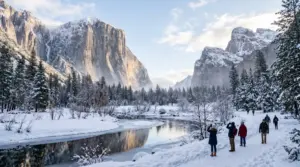
Yosemite Valley is a strong choice for many winter visitors because it remains accessible by car year-round, subject to temporary closures or restrictions during severe weather. Its dramatic granite cliffs, meadows, and waterfalls create a remarkable setting even when snow is absent from the valley floor.
Visitors can enjoy views of famous landmarks such as El Capitan and Half Dome, explore suitable walking routes, and photograph the Merced River as it winds through the landscape. Bridalveil Fall and Yosemite Falls are popular sights, although water flow varies with seasonal precipitation and other environmental conditions.
The valley’s appearance changes throughout winter. After a storm, fresh snow can transform trees, meadows, and rock formations into a striking winter scene. During milder periods, the valley may be mostly snow-free while higher elevations remain covered.
Dress in layers and wear footwear with reliable traction. Trails that look easy in photographs may become slippery when shaded areas freeze, and even paved paths can contain icy sections. Always follow posted closures and choose routes that match the group’s abilities.
Understand Seasonal Road Closures
One of the most important details for winter travelers is that Yosemite’s high-country roads are generally not available for normal vehicle travel during winter.
Tioga Road typically closes seasonally, and Glacier Point Road also closes to regular vehicle traffic beyond the portion maintained for access to Badger Pass Ski Area. Exact opening and closing dates vary with weather and snow conditions.
This means visitors should not plan a winter road trip that depends on driving across Yosemite’s high country between the western and eastern sides of the Sierra Nevada. When Tioga Road is closed, the route across Tioga Pass is unavailable to vehicles.
For a southern approach from Madera County, focus on destinations accessible through the Highway 41 entrance and confirm current conditions before departure. If your original plan depends on a high-elevation road, prepare an alternative itinerary.
Consider a Guided Yosemite Excursion
Travelers unfamiliar with winter mountain driving may prefer a guided excursion. A knowledgeable guide can help visitors understand the landscape, identify worthwhile stops, and make practical decisions when weather affects the itinerary.
Guided trips can also reduce the burden of navigating unfamiliar roads and searching for parking at busy viewpoints. Families, first-time visitors, and travelers who would rather concentrate on photography and sightseeing may find this option especially convenient.
Before booking, confirm the tour’s winter operating schedule, pickup location, cancellation policy, walking requirements, and approach to weather-related changes. Tours that operate during warmer months may not offer the same routes or experiences in winter.
Discover the Charm of Bass Lake in Winter
Bass Lake is one of Madera County’s best-known mountain destinations. Surrounded by evergreen forests and mountain terrain, the lake is associated with summer boating and swimming, but it can also be a rewarding place to visit during the colder months.
Winter brings a quieter atmosphere to the area. Instead of planning a full day around swimming or water sports, visitors can enjoy lake views, peaceful forest scenery, photography, and time at a nearby cabin. The experience is particularly appealing to travelers who want a mountain setting without filling every hour with organized activities.
Enjoy Lakeside Scenery and Photography
A winter visit to Bass Lake can be as simple as taking a scenic drive, stopping at permitted viewpoints, and enjoying the changing light across the water. Early morning may bring a calm atmosphere, while late afternoon can produce attractive reflections and warm light on surrounding hills.
Conditions vary considerably. Some days are clear and cool, while others bring rain, fog, or snow at higher elevations. Check weather and road conditions before driving to lakeside areas, and avoid entering closed recreation areas or parking in unsafe locations.
Because winter daylight is limited, plan photography stops with enough time to return before dark. Mountain roads can feel more challenging after sunset, particularly when temperatures drop and shaded surfaces become icy.
Choose Winter Activities Carefully
Bass Lake’s summer recreation schedule should not be assumed to apply in winter. Boat rentals, marinas, restaurants, recreation facilities, and other services may operate on reduced schedules or close seasonally.
Check directly with individual businesses before building an activity around a particular service. If boating or fishing is part of your plan, confirm local regulations, access conditions, equipment availability, and any seasonal restrictions.
For many visitors, the best winter experience is simply enjoying the setting. Bring a warm drink, take a short walk where conditions permit, and leave enough time to relax at your accommodation.
Finding the Right Mountain Cabin for a Winter Getaway
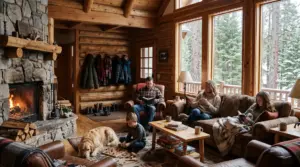
A comfortable cabin can become the centerpiece of a Madera County winter vacation. Instead of driving long distances each day, visitors can settle into a mountain community, explore nearby attractions, and return to a warm place to rest.
Lodging options around Bass Lake, Oakhurst, Coarsegold, and Fish Camp vary in location, amenities, and proximity to Yosemite’s southern entrance. The best choice depends on your priorities, including travel time, group size, budget, accessibility, and the type of atmosphere you want.
Bass Lake Cabins for a Peaceful Escape
Cabins near Bass Lake appeal to travelers who want forest surroundings and a slower pace. Depending on the property, amenities may include a fireplace, a full kitchen, a deck, outdoor seating, or space for a larger family gathering.
When comparing rentals, look beyond attractive photographs. Confirm whether the property has reliable heating, suitable parking, clear access instructions, and an appropriate road for winter conditions. Ask whether the driveway is steep, whether snow removal is provided, and whether tire chains could be necessary to reach the property.
Do not assume that a lakeside location guarantees direct access to the water or that a cabin’s outdoor facilities will be usable during winter. Review the property’s location and seasonal restrictions before making a reservation.
Oakhurst for Convenience and Services
Oakhurst is a practical base for visitors who want access to restaurants, grocery stores, fuel, lodging, and the Highway 41 route toward Yosemite. It can be a good choice for travelers who prefer having everyday services nearby rather than staying in a more isolated mountain property.
This convenience is especially valuable in winter, when storms may affect travel times and visitors may need to purchase additional supplies. Staying in or near town can also make it easier to change plans if a mountain road becomes difficult to navigate.
Oakhurst offers a useful balance between access to outdoor attractions and the conveniences of a developed community. Visitors can spend the day exploring the region and return for dinner without having to drive far into a remote area.
Fish Camp for a Forest Setting
Fish Camp, located along the Highway 41 corridor south of Yosemite’s entrance, appeals to visitors seeking a wooded mountain environment. Its location can be convenient for travelers whose main goal is spending time in Yosemite while enjoying quieter surroundings outside the park.
Winter visitors should pay particular attention to weather forecasts, property access, and available services. Remote accommodations can offer privacy, but they may require more preparation than a hotel in a larger town.
Before arrival, confirm check-in procedures, parking arrangements, heating instructions, and the property’s policy for weather-related travel problems. Save the host’s contact information and download essential directions in case mobile service becomes unreliable.
What to Look for in a Winter Rental
The most useful winter cabin features are often practical rather than decorative. Reliable heat, comfortable bedding, a well-equipped kitchen, adequate lighting, and safe access can make a major difference during a cold or rainy weekend.
Read recent guest reviews carefully and look for comments about cleanliness, heating, water supply, road access, and communication with the host. Confirm all fees, cancellation terms, occupancy limits, and check-in requirements before paying.
Travelers planning to cook should ask whether basic cookware and supplies are provided. Families may also want to check for child-friendly sleeping arrangements, while visitors with mobility concerns should confirm stairs, entryways, bathrooms, and parking distances.
Book early for popular winter weekends, particularly around Thanksgiving, Christmas, New Year’s Day, and school holidays. The most convenient cabins can fill quickly, and waiting until the last minute may leave fewer choices.
Holiday Events and Winter Celebrations in Madera County
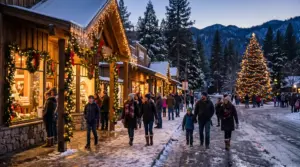
Winter in Madera County is not only about national parks and mountain scenery. The season also brings community gatherings, festive decorations, holiday performances, and opportunities to support local businesses.
Event schedules change from year to year, so travelers planning a 2026 holiday visit should confirm dates, ticket requirements, locations, and operating hours directly with organizers.
Holiday Activities in the City of Madera
The City of Madera offers community-oriented seasonal programming, with events and activities that may include holiday celebrations and family entertainment. Its official special events page is a useful starting point for checking announcements and program details.
Families should look for information about holiday-themed gatherings, seasonal movie nights, decorations, and other community activities. Some events may be free, while others may require advance registration or have limited capacity.
Because schedules and formats can change, avoid relying on event dates published for a previous year. Confirm the current year’s details before traveling, particularly if an event is the main reason for your visit.
Explore Holiday Events Around Oakhurst and Bass Lake
The southern Yosemite gateway communities often embrace the season with local performances, light displays, craft markets, and family-friendly activities. Depending on the year, visitors may find holiday train experiences, tree-lighting celebrations, seasonal shopping events, or special programming at local venues.
For current regional announcements, check the Visit Yosemite | Madera County website. It provides visitor information and seasonal updates for the communities surrounding Yosemite’s southern entrance.
These smaller celebrations can be an enjoyable addition to a mountain getaway. A daytime outing in Yosemite followed by an evening event in Oakhurst or near Bass Lake can create a balanced itinerary without requiring a long drive to another major city.
Always confirm event dates and availability before setting out. Outdoor events may be affected by rain, snow, or other conditions, and some attractions operate only on selected dates.
Make Time for Local Shopping and Dining
Holiday travel provides an opportunity to discover businesses that give Madera County its local character. Rather than relying exclusively on chain restaurants or purchasing every item before arrival, consider setting aside time for local shops, cafés, restaurants, and specialty food businesses.
Historic downtown Madera offers a different atmosphere from the forest communities along Highway 41. Visitors can explore local businesses and learn more about the region’s agricultural and community history.
In the mountain communities, restaurants and shops can serve as useful stops before or after a day outdoors. Check opening hours in advance, as smaller businesses may reduce operating schedules during winter or close on particular holidays.
Buying locally made products can also provide meaningful souvenirs. Look for regional foods, handmade crafts, artwork, and other products that reflect the area’s agricultural heritage and mountain lifestyle.
Scenic Winter Drives Through Madera County
A winter drive can be an attraction in its own right, especially for visitors who enjoy mountain scenery without planning strenuous outdoor activities. The route from the Central Valley toward Oakhurst and the Highway 41 corridor gradually transitions into foothills and forested terrain.
The changing landscape offers opportunities for photography, short stops, and visits to small communities. However, winter driving requires flexibility. Rain, fog, fallen branches, snow, and ice can affect roads differently depending on elevation and exposure.
Follow the Highway 41 Corridor
Highway 41 is a key route for travelers heading from the Central Valley toward Oakhurst and Yosemite’s southern entrance. It connects a range of services and communities, making it useful for visitors who want to combine sightseeing with practical stops.
Before leaving, check fuel levels, tire condition, weather, and current road information. Allow extra time for winding sections and do not assume that a route will remain clear throughout the day.
When stopping for photographs, use designated parking areas and viewpoints. Avoid pulling onto narrow shoulders, blocking driveways, or stopping where other drivers cannot see your vehicle clearly.
Visit Local Communities Along the Way
A winter road trip does not have to be limited to the park entrance. Depending on your itinerary, you can explore Oakhurst, Coarsegold, North Fork, and other nearby communities to experience local businesses and the region’s history.
Consider including a meal, a short heritage stop, or a visit to a local attraction rather than driving continuously toward Yosemite. This approach can be especially helpful if weather delays make a full day inside the park impractical.
Check the operating hours of museums, shops, and visitor facilities before departing. Smaller attractions may have limited winter hours, and some outdoor sites may be inaccessible during poor weather.
Drive According to Conditions, Not the Calendar
A road that is normally easy to navigate can become hazardous during a winter storm. Even if snow is not falling at your starting point, higher elevations may have colder temperatures, ice, or reduced visibility.
Caltrans provides official winter driving tips and information to help motorists prepare for mountain travel. Check road conditions and chain controls before setting out, and be prepared to delay your trip if conditions deteriorate.
Avoid rushing to reach a viewpoint before sunset or attempting an unfamiliar mountain road after dark. A flexible schedule is safer and often leads to a more enjoyable trip.
Winter Outdoor Activities Beyond Yosemite
Although Yosemite attracts much of the attention, Madera County offers other possibilities for visitors who want a varied itinerary. Choosing lower-elevation destinations can be useful when high-country roads are closed or storms make some outdoor activities impractical.
Explore Local History and Museums
Winter is a good time to balance outdoor adventures with indoor attractions. The Madera County Historical Society Museum, located in the historic courthouse in the city of Madera, offers insight into the county’s development and local heritage.
In the Oakhurst area, visitors can also investigate local heritage attractions and cultural institutions, checking opening schedules before arrival. These stops can add context to a trip that might otherwise focus exclusively on natural scenery.
Indoor attractions are particularly useful during rainy afternoons or when traveling with children who need a break from cold weather. Build some flexibility into the itinerary so that an indoor visit can replace an outdoor activity if conditions change.
Discover Regional Food and Wine
Madera County’s agricultural identity is an important part of its appeal. Depending on seasonal schedules, visitors may be able to explore farm-related businesses, specialty food producers, and wineries in the region.
The Madera Wine Trail is one option for adults interested in regional wine culture. Check individual winery websites for winter opening hours, tasting policies, appointment requirements, and special events.
If wine tasting is part of the trip, plan transportation responsibly. A designated driver or appropriate transportation arrangement helps everyone enjoy the experience safely.
Enjoy Nature Without Overcommitting
Not every winter outing needs to be a major hike. Visitors can choose short walks, suitable viewpoints, and easy outdoor experiences that fit the day’s weather and the group’s energy level.
Before heading onto a trail, check whether it is open and whether snow, mud, ice, or fallen trees affect access. Wear layers, carry water and food, and let someone know your intended route if you plan to explore an area with limited mobile service.
Avoid entering closed areas or approaching frozen water, steep slopes, or unstable snow. Winter scenery can be beautiful, but conditions may create hazards that are not obvious from the trailhead.
What to Pack for a Winter Trip to Madera County
Packing for Madera County in winter means preparing for more than one type of weather. The Central Valley may be relatively mild while mountain communities experience colder temperatures, rain, frost, or snow.
Layered clothing is usually more practical than relying on one heavy coat. Bring a warm base layer, insulating midlayer, waterproof outer shell, warm socks, and footwear with good traction. Gloves, a hat, and an extra set of dry clothes can make a significant difference after time outdoors.
If you plan to visit Yosemite, carry food, drinking water, a phone charger, and any medication you may need throughout the day. Pack a flashlight or headlamp and keep essential supplies accessible rather than buried beneath luggage.
Vehicle preparation is equally important. Check tire condition, windshield wipers, washer fluid, fuel, and the operation of your heater and defroster. Carry tire chains that are appropriate for your vehicle when required, and learn how to install them before reaching a snowy roadside.
Do not assume that four-wheel drive or all-wheel drive eliminates the need for chains. Yosemite may require chains on vehicles when conditions demand them, and drivers must follow posted restrictions. Review current requirements and make sure your vehicle can safely use the equipment you carry.
For a cabin stay, confirm whether towels, bedding, cooking supplies, and toiletries are provided. Remote accommodations may have fewer nearby stores, so bring essentials in advance.
Winter Travel Safety and Weather Preparation
The most important part of a winter visit is making decisions based on current conditions. Forecasts can change, and mountain weather may differ substantially from conditions in the valley.
Check the forecast for each destination rather than relying only on the weather in Madera city. Look at expected temperatures, precipitation, wind, and potential snow at higher elevations. If a significant storm is approaching, consider replacing a mountain excursion with a lower-elevation activity.
Prepare for Tire Chain Controls
Tire chains are a major consideration for winter driving in Yosemite and the Sierra Nevada. Depending on conditions, chain controls may apply to vehicles even when the road appears passable.
Learn how to fit your chains safely before your trip, follow official instructions, and use a suitable location away from traffic if installation becomes necessary. If you are uncertain about your ability to drive in snow or ice, consider postponing the trip or choosing a lower-elevation destination.
Never drive past a chain-control checkpoint without complying with the posted requirements. Check official information before departure because controls may be introduced or lifted as weather changes.
Keep an Eye on Daylight
Winter days are shorter, leaving less time for sightseeing and hiking. Plan the day’s most important stops early and leave enough time to return before darkness.
Avoid scheduling a strenuous hike late in the afternoon or assuming that you can complete a long list of attractions in one day. A shorter itinerary with time for breaks is often more rewarding than a rushed schedule.
If you are staying outside Yosemite, remember to account for the return drive and the possibility of slow traffic. Tell someone about your plans when traveling into areas where mobile service may be unreliable.
Be Prepared to Change Plans
A flexible itinerary helps prevent disappointment when an attraction closes or a road becomes inaccessible. Keep a list of alternatives, such as exploring Oakhurst, visiting a museum, enjoying a local meal, or spending a relaxed afternoon at your cabin.
Travel insurance and accommodation cancellation policies may also be worth reviewing, particularly for a trip that depends on mountain access or a specific outdoor event. Understand the terms before booking rather than assuming that every weather-related change qualifies for a refund.
The goal is not to eliminate every uncertainty. It is to prepare well enough that a change in weather does not ruin the entire vacation.
Sample Three-Day Winter Itinerary for Madera County
A three-day trip gives visitors time to experience Yosemite, enjoy the mountain communities, and discover some of Madera County’s local character without trying to fit everything into one day.
Day One: Arrive and Explore Oakhurst
Arrive in Madera County, check into your hotel or cabin, and allow time to settle in before heading out. If you are driving from the Central Valley, use Oakhurst as a convenient place to purchase groceries, fuel, and other supplies.
Spend the afternoon exploring local shops or visiting a nearby heritage attraction if it is open. Enjoy dinner at a local restaurant and check the latest Yosemite road conditions for the following morning.
Before going to bed, prepare your daypack, charge your devices, and review the forecast. A little preparation can make an early start much easier.
Day Two: Spend the Day in Yosemite
Leave early enough to reach Yosemite’s southern entrance with sufficient daylight for sightseeing. Confirm current entrance information, weather, road access, and any applicable chain controls before departure.
Focus on Yosemite Valley and a manageable selection of viewpoints or walking routes that are open and safe. Allow time for photography, meals, and breaks rather than racing between attractions.
Return to your accommodation before driving becomes unnecessarily stressful. If a community holiday event is scheduled nearby, consider attending after dinner, provided timing and conditions make it practical.
Day Three: Visit Bass Lake and Enjoy Local Attractions
Use the final day to explore Bass Lake or another nearby community, depending on weather and road conditions. Enjoy the scenery, take photographs from permitted locations, or choose a short outdoor walk if the route is open and safe.
Alternatively, explore the region’s local history, food, or wine offerings. This lower-pressure day provides a contrast to the more demanding Yosemite excursion.
Leave enough time for the drive home and check conditions again before departing. If weather has deteriorated, prioritize safe travel over fitting in one last stop.
Budgeting for a Winter Vacation in Madera County
Winter travel costs vary according to lodging type, group size, dates, transportation, and activities. A cabin shared by several travelers may provide good value, while a hotel in Oakhurst can offer convenience for visitors who do not need a full kitchen.
The busiest holiday dates may bring higher accommodation prices and limited availability. Compare the total cost rather than the nightly rate alone, including cleaning fees, taxes, parking, meals, and any additional charges.
Food costs can be managed by combining restaurant meals with groceries, particularly when staying in a cabin with cooking facilities. However, confirm that the property has the kitchen equipment you need before planning an elaborate menu.
Build a small reserve into the budget for weather-related changes, additional fuel, parking, or an extra night if road conditions affect your departure. Before traveling, verify park entrance fees and any reservation requirements that apply to your chosen dates.
Best Time to Visit Madera County in Winter
December, January, and February each offer a different atmosphere. December appeals to travelers interested in holiday lights, seasonal performances, and festive community gatherings. It can also be a busy period around Christmas and New Year’s Day.
January may offer a quieter travel experience outside major holiday periods, although storms can affect road conditions and outdoor access. Visitors who prefer a relaxed itinerary may appreciate having more flexibility with dates.
February can provide opportunities for winter scenery and seasonal photography, but weather and access remain unpredictable. Visitors interested in specific Yosemite attractions should check current park announcements rather than assuming a seasonal event or road will operate on a particular date.
There is no single best week for every traveler. Families may prioritize school holidays, photographers may watch the forecast for fresh snow, and road-trippers may prefer periods with a lower risk of severe weather. Choosing dates that fit your priorities and maintaining a backup plan are the best ways to improve the experience.
Frequently Asked Questions About Winter in Madera County
Does it snow in Madera County during winter?
Snow is possible in the county’s mountain communities and at higher elevations, but it is not guaranteed everywhere. The city of Madera and other lower-elevation locations may experience much milder conditions than areas closer to Yosemite. Check the forecast for your specific destination before traveling.
Is Yosemite National Park open during winter?
Yosemite Valley and Wawona are generally accessible by car year-round, subject to temporary closures and weather-related restrictions. Some high-elevation roads close seasonally, and individual trails or facilities may be inaccessible. Check the National Park Service’s official winter information and current alerts before departure.
Where should I stay for a winter Yosemite day trip?
Oakhurst is a convenient choice for travelers who want restaurants, fuel, groceries, and lodging near the Highway 41 corridor. Bass Lake and Fish Camp may appeal to visitors who prefer a forest setting or a cabin getaway. Compare travel time, access conditions, and available services before booking.
Are mountain cabins available in winter?
Many accommodations in the Madera County mountain communities operate during winter, but availability and amenities vary by property. Confirm heating, parking, driveway conditions, check-in instructions, and cancellation terms before making a reservation.
What should I know about winter driving?
Check weather and road conditions before leaving, allow additional travel time, and carry appropriate tire chains when required. Follow posted chain controls and official road closures. If you are uncomfortable driving in snow or ice, consider a guided excursion or an alternative lower-elevation itinerary.
Are there holiday events in Madera County?
Seasonal activities may include community celebrations, holiday performances, light displays, and family-oriented events. Programs change each year, so consult official city and regional tourism websites for current dates, tickets, and event details.
Can I visit Bass Lake during winter?
Yes, Bass Lake can be a scenic winter destination. However, boating, recreation facilities, and other services may operate on limited schedules. Check current conditions and individual business hours before planning a specific activity.
Is one day enough to explore Madera County and Yosemite?
One day can provide a useful introduction to Yosemite Valley or a small part of the county, but trying to explore both thoroughly in a single day can feel rushed. A two- or three-day stay gives you more time to enjoy local communities, scenic drives, and the national park.
Final Thoughts: Plan a Memorable Winter Escape in Madera County
Winter in Madera County offers more than a convenient route to Yosemite National Park. It combines mountain scenery, cabin retreats, local history, seasonal celebrations, and the welcoming character of communities such as Oakhurst, Coarsegold, and North Fork.
The most rewarding trips balance outdoor adventure with time to slow down. Spend a day exploring Yosemite’s winter landscapes, enjoy an evening in a comfortable mountain cabin, discover local food and shops, or add a seasonal community event to your plans.
Above all, prepare for changing weather and make safety part of the itinerary. Check official park and road information, confirm accommodation details, pack appropriate clothing, and leave room for unexpected changes. With sensible preparation and realistic expectations, a winter getaway in Madera County can become a memorable California travel experience.